Frozen Chicken Quality and Safety
Frozen Frozen Chicken for Sale, Frozen Chicken Wholesale, Halal Frozen Chicken Supplier, Frozen Whole Chicken, Frozen Chicken Leg Quarters, Frozen Chicken Breast Fillet, Frozen Chicken Wings, Frozen Chicken Feet, Frozen Chicken Paws, Chicken MDM Supplier, Frozen Chicken Exporter, Bulk Frozen Chicken, Brazilian Frozen Chicken, Frozen Poultry Supplier, Wholesale Frozen Chicken Distributor, Frozen Chicken CIF Price, Grade A Frozen Chicken, Frozen Chicken Supplier Worldwide and Safety: Everything You Need to Know Introduction Chicken is one of the most widely consumed proteins in the world. From family dinners to fast food restaurants, it graces billions of tables every day. Among the various forms available in the market, frozen chicken has become a staple in modern households due to its convenience, extended shelf life, and affordability. However, with its popularity comes an equally important responsibility — understanding the quality standards and safety practices surrounding frozen chicken. Whether you are a consumer, a food handler, or a retailer, knowing what makes frozen chicken safe and high-quality is essential for protecting your health and getting the best value for your money. What Defines Quality in Frozen Chicken? 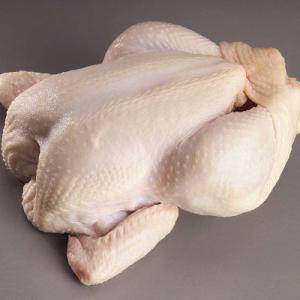 Frozen Chicken for Sale, Frozen Chicken Wholesale, Halal Frozen Chicken Supplier, Frozen Whole Chicken, Frozen Chicken Leg Quarters, Frozen Chicken Breast Fillet, Frozen Chicken Wings, Frozen Chicken Feet, Frozen Chicken Paws, Chicken MDM Supplier, Frozen Chicken Exporter, Bulk Frozen Chicken, Brazilian Frozen Chicken, Frozen Poultry Supplier, Wholesale Frozen Chicken Distributor, Frozen Chicken CIF Price, Grade A Frozen Chicken, Frozen Chicken Supplier Worldwide in frozen chicken is not just about taste — it encompasses a range of factors from the bird's breed and diet to how it was processed and packaged. 1. Frozen Chicken for Sale, Frozen Chicken Wholesale, Halal Frozen Chicken Supplier, Frozen Whole Chicken, Frozen Chicken Leg Quarters, Frozen Chicken Breast Fillet, Frozen Chicken Wings, Frozen Chicken Feet, Frozen Chicken Paws, Chicken MDM Supplier, Frozen Chicken Exporter, Bulk Frozen Chicken, Brazilian Frozen Chicken, Frozen Poultry Supplier, Wholesale Frozen Chicken Distributor, Frozen Chicken CIF Price, Grade A Frozen Chicken, Frozen Chicken Supplier Worldwide and Certification In many countries, frozen chicken is graded by government or independent food safety authorities. In the United States, for example, the USDA grades chicken as Grade A, B, or C based on factors like the presence of bruising, broken bones, discoloration, and overall appearance. Grade A is the highest quality, with well-formed flesh, minimal defects, and clean skin. Always look for certified labels when purchasing frozen chicken, as these indicate that the product has passed regulatory inspections. 2. Frozen Chicken for Sale, Frozen Chicken Wholesale, Halal Frozen Chicken Supplier, Frozen Whole Chicken, Frozen Chicken Leg Quarters, Frozen Chicken Breast Fillet, Frozen Chicken Wings, Frozen Chicken Feet, Frozen Chicken Paws, Chicken MDM Supplier, Frozen Chicken Exporter, Bulk Frozen Chicken, Brazilian Frozen Chicken, Frozen Poultry Supplier, Wholesale Frozen Chicken Distributor, Frozen Chicken CIF Price, Grade A Frozen Chicken, Frozen Chicken Supplier Worldwide and Farming Practices The quality of frozen chicken begins long before it reaches the freezer. Chickens raised in humane, clean environments with proper feed produce better-quality meat. Free-range or organic chickens often have better muscle tone and flavor compared to those raised in highly confined spaces. When possible, choosing products labeled as free-range, antibiotic-free, or hormone-free can reflect a higher standard of animal husbandry and, consequently, a better final product. 3. Freezing Method Not all frozen chicken is frozen equally. The method of freezing significantly impacts the quality of the final product. Individually Quick Frozen (IQF) technology, for instance, freezes each piece of chicken rapidly and separately, locking in moisture, nutrients, and flavor. Chicken frozen using IQF technology tends to have better texture and fewer ice crystals than chicken that is slow-frozen in bulk. Ice crystals that form during slow freezing can rupture cell walls in the meat, leading to a mushy or watery texture once thawed. Food Safety Concerns with Frozen Chicken Safety is paramount when it comes to frozen chicken. Although freezing halts the growth of bacteria, it does not kill them. This means that improper handling — before, during, or after freezing — can pose serious health risks. 1. Bacterial Contamination
  The most common bacteria associated with raw chicken include Salmonella, Campylobacter, Listeria, and Staphylococcus aureus. These pathogens can cause serious foodborne illnesses ranging from nausea and vomiting to life-threatening infections in vulnerable populations such as the elderly, children, and immunocompromised individuals. Proper cooking to an internal temperature of at least 165°F (74°C) is the most reliable way to eliminate these bacteria. 2. Cold Chain Integrity The “cold chain” refers to the uninterrupted series of refrigerated production, storage, and distribution activities — and its integrity is critical to frozen chicken safety. Any break in the cold chain — such as power outages, improper transportation, or long periods at room temperature — can allow bacteria to multiply to dangerous levels, even if the chicken is re-frozen afterward. Always purchase frozen chicken from reputable retailers who maintain proper refrigeration, and check that the packaging is sealed and the product is solidly frozen when you buy it. 3. Freezer Burn While freezer burn does not make chicken unsafe to eat, it significantly diminishes quality. Freezer burn occurs when moisture evaporates from the surface of the meat and forms ice crystals on the exterior, leaving dry, grayish patches. It is typically caused by improper packaging or extended storage beyond the recommended period. To avoid freezer burn, store chicken in airtight, vacuum-sealed packaging and consume it within the recommended timeframe — generally 9 to 12 months for raw frozen chicken. Best Practices for Handling Frozen Chicken at Home Understanding safety standards is only half the battle — proper handling at home is just as critical. Thawing Safely Never thaw frozen chicken at room temperature on the counter. This creates a “danger zone” between 40°F (4°C) and 140°F (60°C) where bacteria multiply rapidly. The three safe methods for thawing chicken are: In the refrigerator — The safest method; takes 24 hours for a whole chicken In cold water — Submerge the sealed package in cold water, changing it every 30 minutes In the microwave — Use only if you plan to cook the chicken immediately afterward Avoiding Cross-Contamination Raw chicken can contaminate other foods through direct contact or through shared surfaces and utensils. Always: Use separate cutting boards for chicken and other foods Wash hands thoroughly with soap and water before and after handling raw chicken Clean and sanitize all surfaces that come into contact with raw chicken Cooking to the Right Temperature Use a meat thermometer to confirm that chicken has reached an internal temperature of 165°F (74°C) throughout, including the thickest parts. Visual cues like color alone are not reliable indicators of doneness. Reading Labels and Packaging Informed consumers are safer consumers. When purchasing frozen chicken, pay attention to the following on the label: Sell-by and best-by dates — These indicate peak quality periods Country of origin — Helps you trace quality standards applied during production Ingredient list — Some frozen chicken products contain added water, sodium, or preservatives; check for these if you are health-conscious Certifications — Look for USDA Organic, Halal, Kosher, or other relevant certifications depending on your preferences and dietary requirements The Nutritional Value of Frozen Chicken When handled and stored properly, frozen chicken retains nearly all the nutritional benefits of fresh chicken. It remains an excellent source of: Lean protein — Essential for muscle building and repair B vitamins — Including B6 and B12, which support energy metabolism and brain health Selenium — A powerful antioxidant that supports immune function Phosphorus — Important for bone and teeth health The key is choosing minimally processed frozen chicken without excessive sodium, additives, or breading, which can add unnecessary calories and reduce the health benefits. Conclusion Frozen chicken is a nutritious, convenient, and economical food choice — but only when it is handled with care and respect for food safety protocols. Quality starts at the farm, is preserved through proper processing and cold chain management, and is ultimately protected by the choices consumers make at home. By understanding how to select, store, thaw, and cook frozen chicken properly, you can enjoy its many benefits without compromising your health or the health of your loved ones. Always prioritize certified, reputable products, maintain proper hygiene, and never cut corners when it comes to cooking temperatures. Safe chicken is delicious chicken.